
What Is a Swedish Dishcloth?
By the Disktrasa.com editorial team
Published Updated
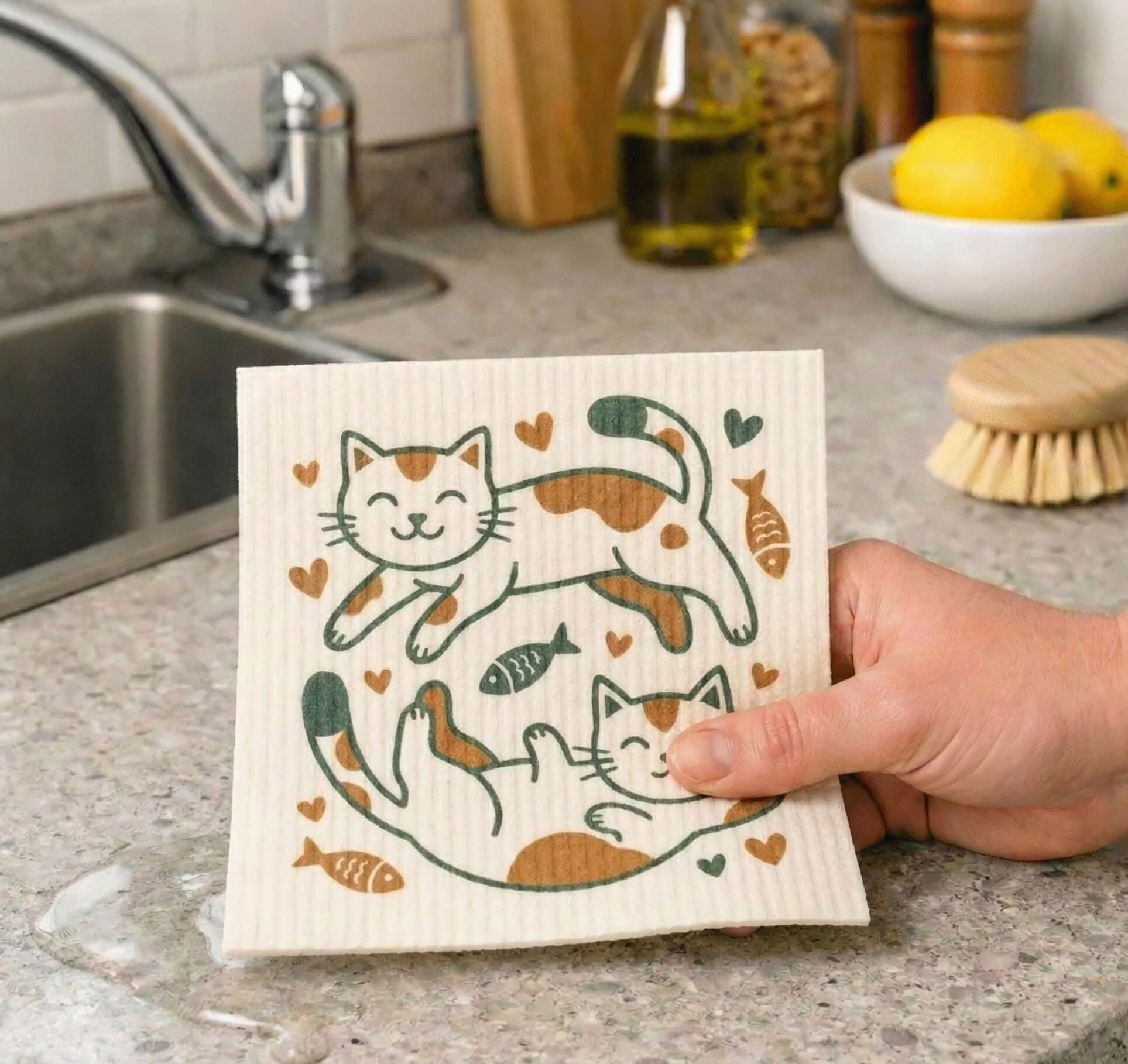
A Swedish dishcloth is a reusable cleaning cloth made from cellulose and cotton. It becomes soft when damp and is used for wiping kitchen surfaces and soaking up spills.
A Swedish dishcloth can be washed and used again. This guide covers materials, everyday uses and care, including what to check for the particular cloth you choose.
Where does the Swedish dishcloth come from?
As the name suggests, the Swedish dishcloth originates from Sweden, where it has been a household staple for decades. It was developed as a more sustainable alternative to paper towels and synthetic sponges, long before reusable products became a global trend.
Today, Swedish dishcloths are known for combining functionality, simplicity, and sustainability — values closely associated with Scandinavian design.
What is a Swedish dishcloth made of?
A traditional Swedish dishcloth is made from:
- Cellulose (wood pulp)
- Cotton fibers
These natural materials give the cloth its unique properties:
- Highly absorbent
- Quick-drying
- Flexible when wet, stiff when dry
- Washable for reuse
Check the manufacturer’s guidance for the finished product and local disposal instructions before composting a printed dishcloth.
What is a Swedish dishcloth used for?
Swedish dishcloths are designed for everyday cleaning tasks, including:
- Wiping kitchen counters and tables
- Cleaning sinks and stovetops
- Washing dishes
- Cleaning bathroom surfaces
- Handling spills and messes
Washing and reusing the cloth can reduce your need for disposable paper for these tasks.
How does a Swedish dishcloth work?
When dry, the cloth feels firm. When wet, it becomes soft and flexible.
Dampen the cloth and wring out excess water before use. Rinse it afterward and hang it up so it can dry between uses.
Swedish dishcloth vs paper towels
| Swedish dishcloth | Paper towels |
|---|---|
| Reusable | Single-use |
| Washable | Disposable |
| Needs drying between uses | A fresh sheet as needed |
| Used repeatedly | Used once |
| Can reduce disposable paper use | Creates ongoing waste |
For many households, switching to Swedish dishcloths is one of the easiest ways to reduce everyday waste.
Reuse and disposal
A washable dishcloth can reduce the need for disposable paper. Its environmental impact also depends on manufacturing, washing, how long it is used and how it is disposed of.
Follow the care instructions for your cloth and local disposal guidance. A manufacturer’s statement about a material’s compostability does not automatically apply to every finished printed product.
Swedish dishcloths with personality
While Swedish dishcloths are practical by nature, they don't have to be boring.
Today, many people choose dishcloths with fun designs, illustrations, or personalized prints — turning an everyday item into something a bit more enjoyable.
If you're curious about why so many people are switching to dishcloths, you can read more about the benefits here:
Sources and methodology
Manufacturer guidance from Wettex informs the descriptions of materials and care. Properties and care instructions can vary between brands and prints. The specifications on our product page apply to our dishcloths.
Frequently asked questions
How do I wash a Swedish dishcloth?
Follow the care instructions for your product. Our dishcloths can be machine washed at 60°C (140°F). Rinse and wring out the cloth after use and hang it to dry. Use a dishwasher only if the manufacturer recommends it.
How often should I replace a Swedish dishcloth?
Lifespan depends on use, washing and wear. Replace the cloth when it tears, no longer absorbs liquid properly or does not come clean when washed.
Are Swedish dishcloths safe to use on delicate surfaces?
Use the cloth damp and check the care instructions for the surface. Test a small, hidden area first if you are unsure, especially on delicate finishes.
Are Swedish dishcloths hygienic?
Dishcloths also need regular cleaning and drying. Rinse after use, let the cloth dry and wash it according to its care instructions. Separate cloths for different cleaning tasks help avoid spreading dirt.
Do Swedish dishcloths contain plastic?
The traditional cloth material is cellulose and cotton. Check the product information for details of coatings, prints and any additives.
Can I use a Swedish dishcloth for more than just the kitchen?
Absolutely. They're commonly used in bathrooms, on windows and mirrors, for cleaning spills, and even for light dusting.
What happens when a Swedish dishcloth reaches the end of its life?
Follow the manufacturer’s guidance for the finished product and your local waste service’s instructions. Compost it only if the product is suitable and the local disposal system allows it.
Ready to choose a Swedish dishcloth?
Browse ready-made designs or create a custom Swedish dishcloth with your own photo, text or logo.